
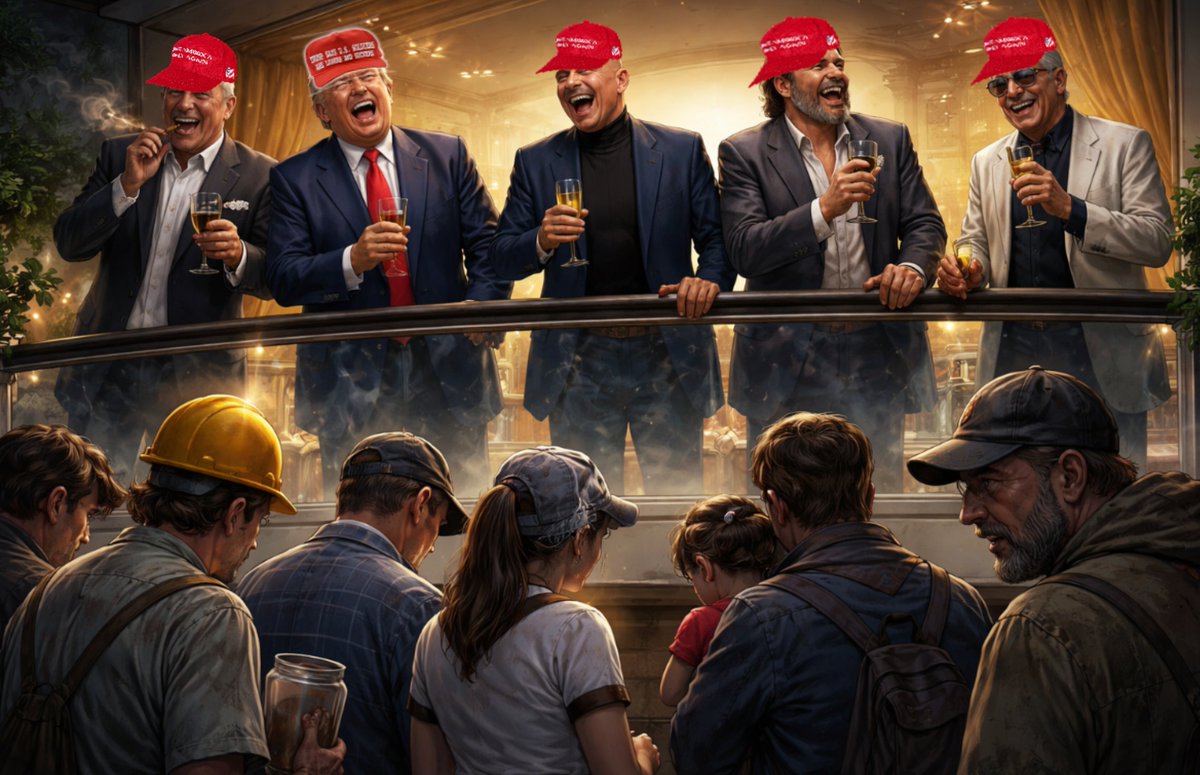
The Trump administration’s Secretary of Labor Secretary Lori Chavez-DeRemer has been promoting the lie that the Trump administration is “helping” American workers.
The REAL STORY is how the Trump administration have hurt American workers, particularly in pay, job security, labor protections and economic opportunity.
The Trump administration changed rules governing who qualifies for overtime pay, reducing eligibility for millions of workers and costing workers billions in lost pay.
Proposed rules could eliminate minimum wage protections for about 3.7 million domestic workers (e.g., in-home caregivers), reducing their hourly pay and protections.
The Department of Labor (DOL) under Trump sought to reduce or eliminate regulations that protect workers’ health, safety and compensation standards. Trump and Chavez-DeRemer are clearly advancing an anti-worker agenda.
Trump’s DOL proposes to eliminate regulations that protect workers’ health and safety and make sure workers are fairly compensated for their work. The number of Occupational Safety and Health Administration (OSHA) inspectors fell and penalties for violations were weakened, reducing workplace safety enforcement.
An executive order revoked collective bargaining rights for most federal workers, undermining union negotiating power. Stricter immigration policies and enforcement have made labor shortages worse in sectors like agriculture, construction, and hospitality, slowing project timelines and raising costs—harming both employers and workers.
Broad tariffs in 2025 were intended to protect U.S. jobs, but labor analysts report manufacturing employment and job openings fell and uncertainty deterred investment and hiring. Tariffs are at least partially passed along to consumers, increasing the cost of goods Americans buy.
Economists describe this as a kind of “hidden tax” on spending.
A report from Congress’ Joint Economic Committee estimated ~$1,200 per U.S. household in extra costs over most of 2025 due to tariffs.
Large cuts to federal workforces and the elimination of many government jobs contribute to unemployment and reduced services that support workers and citizens.
Cuts to student aid and efforts to dismantle federal education programs can make it harder for lower-income students to access higher education and job-training pathways—affecting long-term earnings and workforce readiness.
Trump talks about how workers who are in jobs with the “No Tax on Tips” where tips won’t be taxed fails to mention roughly half of tipped workers may not owe federal income tax at all even before this change, so they might see little direct benefit because the majority already owe little or no income tax.
Here’s the basic checklist and actions of the Trump administration and the DOL’s attack on American workers:
- Reduce wages and bargaining power for millions of workers
- Weaken workplace safety and compensation standards
- Increase labor shortages that slow business growth or shift costs
- Reduce protections that help workers fight predatory practices
Contribute to economic uncertainty that can discourage hiring In terms of American workers, Medicaid cuts don’t just reduce healthcare access in rural America — they can unravel entire communities. When a rural hospital closes, it’s not just healthcare that disappears, but jobs, emergency services, and long-term economic stability.
Roughly 40–45% of SNAP recipients live in households with at least one working adult. SNAP (the Supplemental Nutrition Assistance Program) is effectively part of many workers’ paychecks.
The Trump administration SNAP cuts:
- Reduce real wages
- Increase job instability
- Weaken worker bargaining power
- Cost local jobs
- Increase burnout and illness
The real and obvious question is when will American workers finally figure out that when they vote for Republicans, they vote against themselves, their future and their families.